
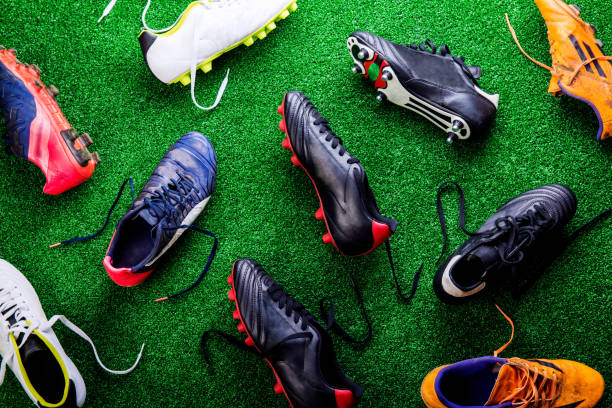
Buying soccer cleats gets surprisingly complicated once artificial grass enters the convo. A pair can look perfect online, fit beautifully, carry the same brand name you already trust, and still have the wrong soleplate for the field where you spend most of your time.
That is where the AG vs FG debate matters.
AG stands for Artificial Grass, while FG stands for Firm Ground. AG cleats are built around the shorter, firmer surface of modern artificial grass, while FG cleats are designed primarily for natural grass, particularly firm and relatively dry fields.
The difference sits underneath your feet, in the number, shape, length and arrangement of the studs.
For players who regularly move between natural grass and artificial grass, choosing the right pair can affect traction, comfort, durability and how confidently you can change direction.
The choice becomes even more important for youth players who spend several days a week training and competing on different surfaces.
Notice
AG vs FG Soccer Cleats
If you play mostly on artificial grass, buy AG cleats.
If you play mostly on natural grass, buy FG cleats.
If you regularly play on both surfaces and want one pair, look closely at FG/MG or multi-ground cleats, since some models are specifically designed to cover more than one surface.
AG cleats generally use a greater number of shorter, more rounded studs to spread traction across artificial grass. FG cleats usually have fewer and longer studs designed to penetrate natural grass and provide grip through the grass and soil underneath.
The important part is matching the soleplate to the surface rather than choosing a cleat simply because the upper feels good.
What Are AG Soccer Cleats?
Artificial grass has become a major part of youth, high school, recreational and competitive soccer in the United States, which explains why AG cleats have become increasingly relevant for American players.
Modern AG soleplates are designed for synthetic surfaces that are firmer and more abrasive than many natural-grass fields. They generally use more studs than FG boots, with the studs often shorter and more rounded so the boot can provide traction without digging as aggressively into the playing surface.
That design gives AG boots a different feel underfoot.
The traction tends to feel more distributed rather than concentrated through a handful of longer studs, which can make quick changes of direction feel more predictable on artificial grass.
adidas currently describes its artificial-grass soccer footwear as being designed for firmer, faster surfaces, with traction intended to release cleanly during changes of direction. Its current AG range includes models such as the Predator League Artificial Ground and F50 Elite Artificial Ground.
For a player whose weekly schedule includes several sessions on artificial grass, that surface-specific design makes AG the safer starting point.
What Are FG Soccer Cleats?
FG means Firm Ground.
These cleats are primarily designed for natural grass, particularly firm natural surfaces where studs can penetrate the turf and provide the traction needed for sprinting, stopping and changing direction.
FG soleplates commonly have fewer studs than AG models, with longer studs that can dig into the grass and soil.
That makes sense on natural grass because the studs need somewhere to penetrate.
Take the same design onto a hard artificial surface and the equation changes. The studs have less natural soil to penetrate, which can leave the foot feeling more planted than intended when the player tries to rotate or change direction.
That does not mean every player wearing FG boots on artificial grass will suffer an injury. Plenty of players have done it for years without an obvious problem. The issue is that the surface and soleplate are designed for different traction demands, so using the correct outsole remains the more sensible approach.
CHECK OUT | Why Do Soccer Players Slide on Their Knees? Full Explanation
Why FG Cleats Can Be a Problem on Artificial Grass
This is where the AG vs FG debate becomes more than a matter of comfort.
Artificial grass can create a lot of traction, particularly when the surface is dry and relatively firm. An FG boot with longer or more aggressive studs can grip that surface strongly.
The concern is what happens when your foot stays planted while the rest of your body rotates.
Recent discussions among soccer players and parents show exactly why this causes confusion. Some players report years of using FG boots on artificial grass without problems, while others specifically avoid the combination because of concerns about excessive traction during pivots and changes of direction.
The sensible conclusion is not that every FG boot on AG will cause an injury. The better conclusion is that there is little reason to choose a soleplate designed for natural grass when your primary playing surface is artificial grass and an AG alternative is available.
That becomes especially relevant for players training several times a week, because comfort and fit matter just as much as choosing a soleplate that suits the playing surface. Players who need more room through the forefoot should also pay attention to options designed for a wider fit when choosing their next pair of soccer cleats.
Can You Wear AG Cleats on Natural Grass?
Generally, yes, provided the natural field is reasonably firm and dry.
The trade-off is traction.
AG boots are designed to distribute traction differently, so they may not penetrate natural grass as effectively as FG boots. On a firm, dry natural field, that difference may be manageable.
On a wet, soft or muddy grass field, however, an AG boot can struggle because the shorter studs cannot dig deeply enough into the ground.
This is why AG can be the more versatile option for someone who plays mostly artificial grass with occasional natural-grass sessions, while FG makes more sense for someone whose schedule is dominated by grass.
Recent soccer community discussions also repeatedly reach the same practical conclusion: AG on firm grass can work, while FG on artificial grass deserves more caution.
The Best AG Soccer Cleats to Buy in 2026
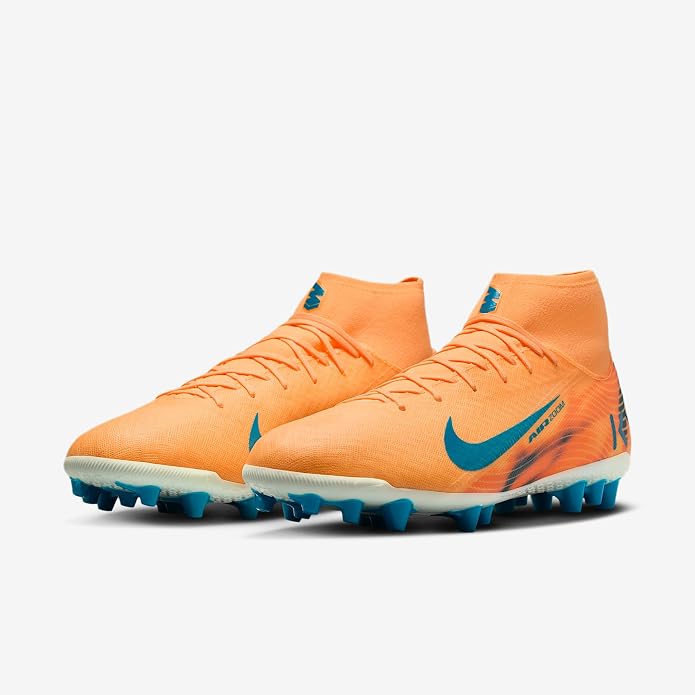
The upper is made of NikeSkin with embedded chevrons, which helps provide ball control and truly gives you a feeling of barefoot soccer.
This cleat is built for players who want speed, a close touch and strong grip on artificial grass. Its NikeSkin upper with built-in chevrons gives the boot a thin, natural feel on the ball, making dribbling and quick touches feel sharp.
The biggest upgrade is the adaptable knit upper. It wraps the foot closely while still allowing enough flexibility when running and changing direction. The Dynamic Fit collar also adds a secure feel around the ankle, although the snug design may take some getting used to.
Underfoot, the improved heel Air Zoom unit adds a responsive feel, while the wave-style stud pattern is designed for quick cuts and acceleration on longer artificial-grass surfaces.
The main downside is the fit. Nike says the boot runs snug, so players who prefer more room may want to go half a size up. Some users also report that the upper needs a short break-in period, while durability feedback is mixed.
Overall, this is a strong Academy-level boot for fast attackers and wingers who value speed, close control and a locked-in fit.
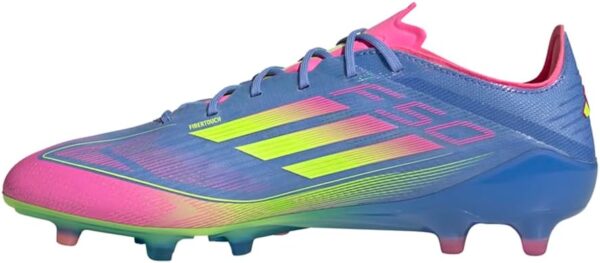
Regular fit
Fibertouch upper
Synthetic sockliner
AG Traxion Frame outsole
The adidas F50 Elite AG is a serious speed boot built for players who rely on quick acceleration, sharp changes of direction and fast dribbling. At around 178g, it feels impressively light on the foot, while the thin FIBERTOUCH upper gives you a close, responsive feel when controlling the ball.
The SPRINTWEB 3D texture is one of its best features. It adds a slightly grippy feel to the upper, making close touches and dribbling at speed feel more controlled. The Compression Fit Tunnel Tongue also helps keep the foot secure without adding much weight.
The AG TRAXIONFRAME outsole is designed specifically for artificial grass, giving the boot a good balance of grip and quick movement. This is important because AG boots are better suited to artificial pitches than traditional FG boots.
The main weakness is the fit. Although adidas lists it as regular fit, some players find the boot slightly long or snug, so trying it on first is a good idea.
Verdict: A lightweight, fast and responsive boot that suits wingers, forwards and attacking midfielders who want speed without losing ball feel.
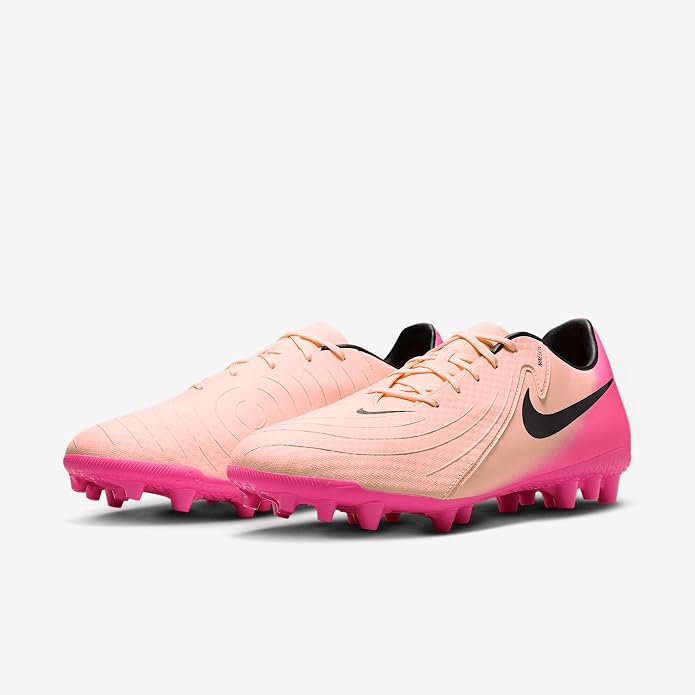
Strategically placed in the forefoot, the Cyclone 360 circular traction pattern helps you plant and pivot with speed.
The newly implemented blend of conical and tri-star studs help unlock change of direction and movement for an easy transition
This is a solid choice for players who want a control-focused boot without paying elite-level prices. Its expanded NikeSkin touch zone gives you a close feel on the ball, making dribbling, passing and first touches feel natural in both wet and dry conditions.
The real strength is the AG soleplate. Nike’s Cyclone 360 traction system combines conical and tri-star studs to help with quick cuts, pivots and explosive changes of direction. It works especially well on longer artificial-grass pitches, where the studs can bite into the surface without feeling overly aggressive.
The soft upper is comfortable, while the low-cut design gives you good freedom around the ankle. The fit is generally snug, so players with wider feet may want to try them on or consider going up half a size.
The biggest compromise is durability. Some users have reported sole separation and upper wear, so heavy weekly use may test the boot over time.
Verdict: 8/10. Great value for technical players on suitable AG pitches, but not the most durable Academy boot available.
The Best FG Soccer Cleats to Buy in 2026
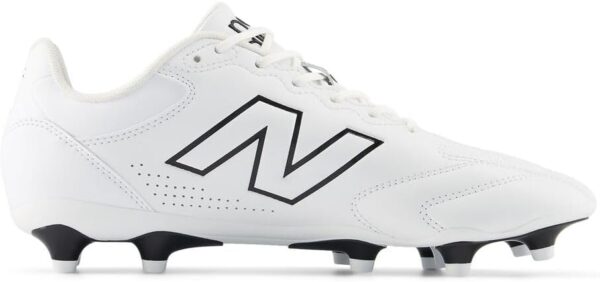
Quality microfiber upper with twin stitch quilting provides a soft touch on the ball and durable construction that holds up through practices and matches
This is a very good choice if you want a comfortable, traditional football cleat without paying premium-boot money. Priced at around $46.99, it sits in the team-level range but still offers several features you would want for competitive play.
The lightweight microfiber upper has the classic twin-stitch design that gives the boot a clean, old-school look. It also offers a soft feel on the ball while being built to handle regular training and matches. The EVA insert adds useful cushioning, while the conical studs provide solid multi-directional grip on firm natural grass.
At roughly 247–259g, depending on the version, it is light enough to feel quick without becoming overly minimal. Customer feedback also points to good comfort, quality and value, with several buyers praising the wide-fit option.
One thing to watch is sizing. New Balance recommends going one size up, and some buyers found the boot snug.
Verdict: A dependable, comfortable and affordable boot for players who value touch, grip and fit over flashy technology. Rating: 8.5/10.
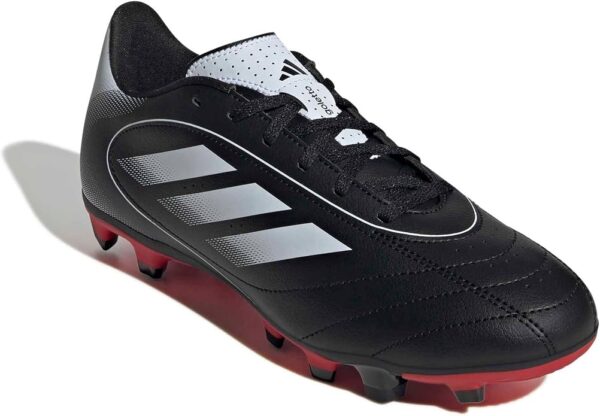
Synthetic upper is comfortable and lightweight for maximum speed on the field
The cleats are lined for a soft, comfortable feel
This is a solid choice if you want lightweight soccer cleats without spending too much. The synthetic upper keeps the boot light and comfortable, making it a good option for players who rely on speed and quick movement.
The textile lining adds a soft feel inside, while the flexible outsole provides decent grip, stability, and control on firm natural grass. This makes the Goletto IX a practical option for regular training, weekend matches, and players who want a simple boot that gets the job done.
One thing to watch is the sizing. These cleats run small, so adidas recommends going half a size up. Since this is a unisex model using men’s sizing, women may need to go down 1 to 1.5 sizes.
The main downside is that the synthetic construction does not offer the premium feel or touch you get from more expensive adidas boots. Still, for players looking for a lightweight, comfortable, and affordable soccer cleat, the Goletto IX offers good value, especially on dry, firm natural grass.
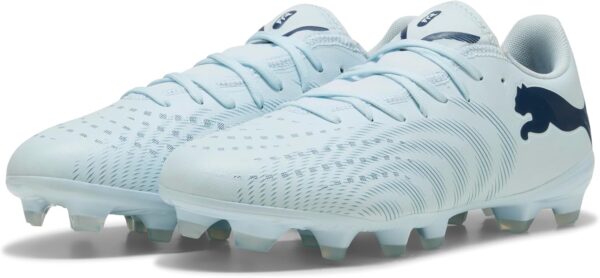
Lightweight synthetic upper and elastic slip-on tongue work with laces for a secure, supportive fit that moves with you.
This is a strong option for players who value comfort, ball control and quick movement without paying top-tier boot prices. Its soft mesh upper, stretchy knitted collar and midfoot support create a secure fit, while the regular-to-wide shape makes it a good choice for players who find narrow boots uncomfortable.
Ball control is one of its biggest strengths. The embossed grip zones add useful texture when dribbling, passing and striking, giving your touches a more controlled feel. The stud layout is also built around quick pivots and changes of direction, which suits attacking midfielders, wingers and creative players.
However, this is still a Match-level boot, so you should not expect the premium materials and lightweight feel of PUMA’s top-end models. An independent review also found the Future 9 Match offers good value and a roomier fit, but noted that the soleplate can feel somewhat stiff and the boot is not among the lightest options.
Overall, the Future 9 Match is a very good value-for-money boot for players who want comfort, grip and agility without spending heavily. Just make sure you choose the correct outsole for your playing surface.
Should You Buy AG or FG for Youth Soccer?
For youth players, start with the team’s actual playing surfaces rather than the player’s position. Knowing how FG and AG outsoles are designed for different surfaces can make that decision much easier, especially when a player regularly moves between natural grass and artificial pitches.
A 12-year-old winger does not automatically need a speed boot with an FG plate. If that player trains four times a week on artificial grass, the surface should influence the purchase more than the position.
This matters because youth players can accumulate a lot of field time over a season.
Recent parent discussions show how common this situation has become, with families describing schedules that combine artificial school fields, club grass fields and tournament venues. Some parents deliberately keep separate AG and FG boots so each pair takes the punishment of its intended surface.
For a serious youth player who spends substantial time on both surfaces, owning two pairs can eventually make more sense than trying to force one outsole to handle everything.
For a recreational player who only plays once or twice a week, a versatile multi-ground boot may be enough.
CHECK OUT | How to Heal Shin Splints from Soccer: Treatment and Prevention Exercises
What If You Can Only Afford One Pair?
This is where the decision becomes more personal.
If 70 to 80 percent of your soccer is on artificial grass, buy AG.
If 70 to 80 percent is on natural grass, buy FG.
If your schedule is genuinely split between the two, consider a multi-ground boot or an AG model that you can comfortably use on firm natural grass.
I would lean toward AG for a player whose main environment is modern artificial grass, particularly if that player trains frequently. Recent discussions from American youth-soccer families show how heavily artificial surfaces feature in club and school schedules.
The reverse decision makes less sense. Buying an FG boot for a player who spends nearly every session on artificial grass simply because FG models are easier to find can create an unnecessary compromise.
What About FG/MG and Multi-Ground Cleats?
This is the category worth watching if you need one pair for multiple surfaces.
Multi-ground boots attempt to sit between traditional FG and AG designs, offering a stud configuration intended to work across different field conditions.
They can be useful for players who travel frequently for tournaments because the playing surface can change from one venue to another.
The trade-off is that a multi-ground boot rarely gives you the exact surface-specific performance of a dedicated AG or FG boot.
Think of it as a compromise rather than a magic soleplate that makes every field identical.
The adidas Predator League FG/MG, for example, has been sold through Amazon and is designed for multiple surfaces, while adidas continues to position dedicated AG versions separately in its current lineup.
AG vs FG: Which One Should You Buy?
| If you mostly play on… | Buy this |
|---|---|
| Artificial grass | AG |
| Dry natural grass | FG |
| Wet natural grass | FG, depending on field condition |
| Artificial grass + natural grass | AG or FG/MG |
| Several different surfaces | Multi-ground |
| Mostly AG with occasional firm grass | AG |
| Mostly natural grass with occasional AG | FG or FG/MG |
The biggest mistake is treating AG and FG as interchangeable labels.
They are different outsole designs created around different surfaces.
For most American youth and adult players who spend the majority of their time on modern artificial grass, AG is the better buy. The adidas Predator League Artificial Ground is the strongest value-oriented dedicated AG option, while the adidas F50 Elite AG is the more performance-focused choice for speed players.
If you move constantly between grass and artificial surfaces, the Nike Mercurial Vapor 17 Academy is more practical because its current multi-ground design gives you more flexibility.
And if natural grass is where you spend most of your season, stick with FG.
The smartest soccer-cleat purchase starts with the field beneath your feet. The logo, colorway and position come afterward.
CHECK OUT | 10 Skill Moves All Youth Soccer Players Must Learn